
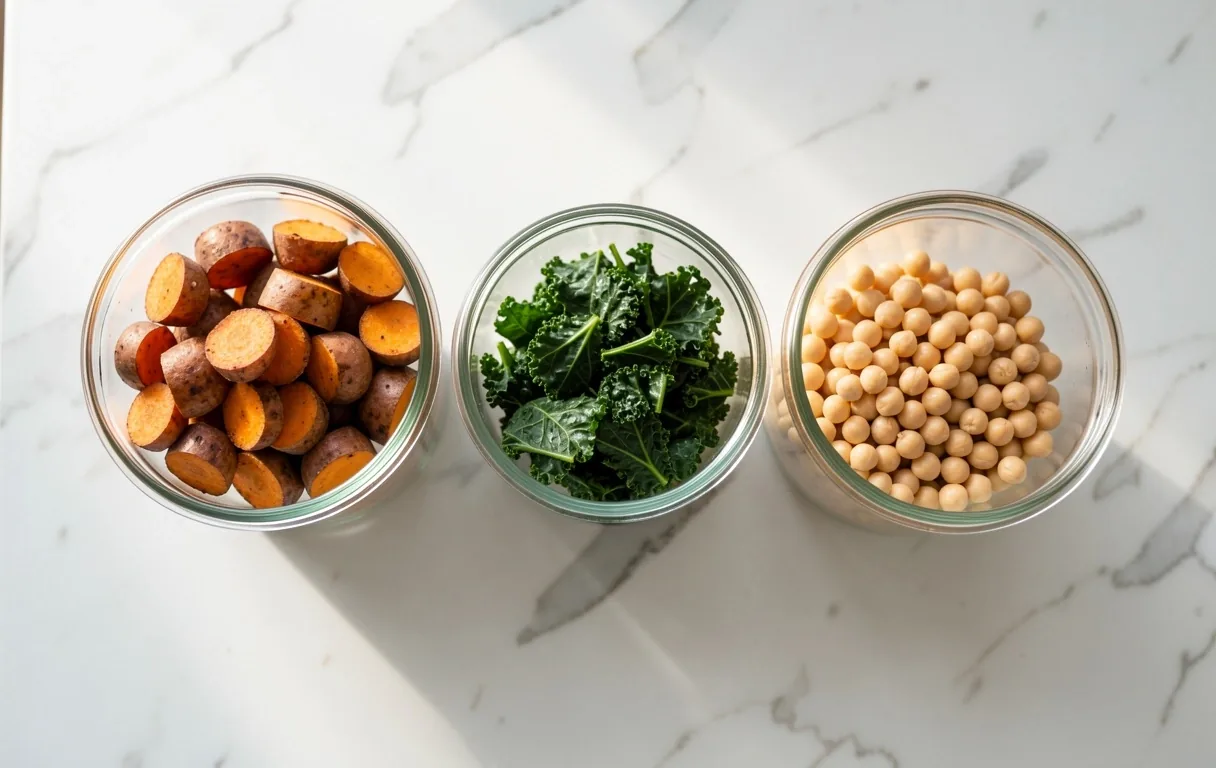
Is your current plate fueling energy or merely filling time?
Effective meal organization is the quiet foundation of a balanced lifestyle. By shifting from reactive cooking to intentional preparation, you reclaim hours of your week and ensure your nutritional goals remain consistent regardless of your schedule.
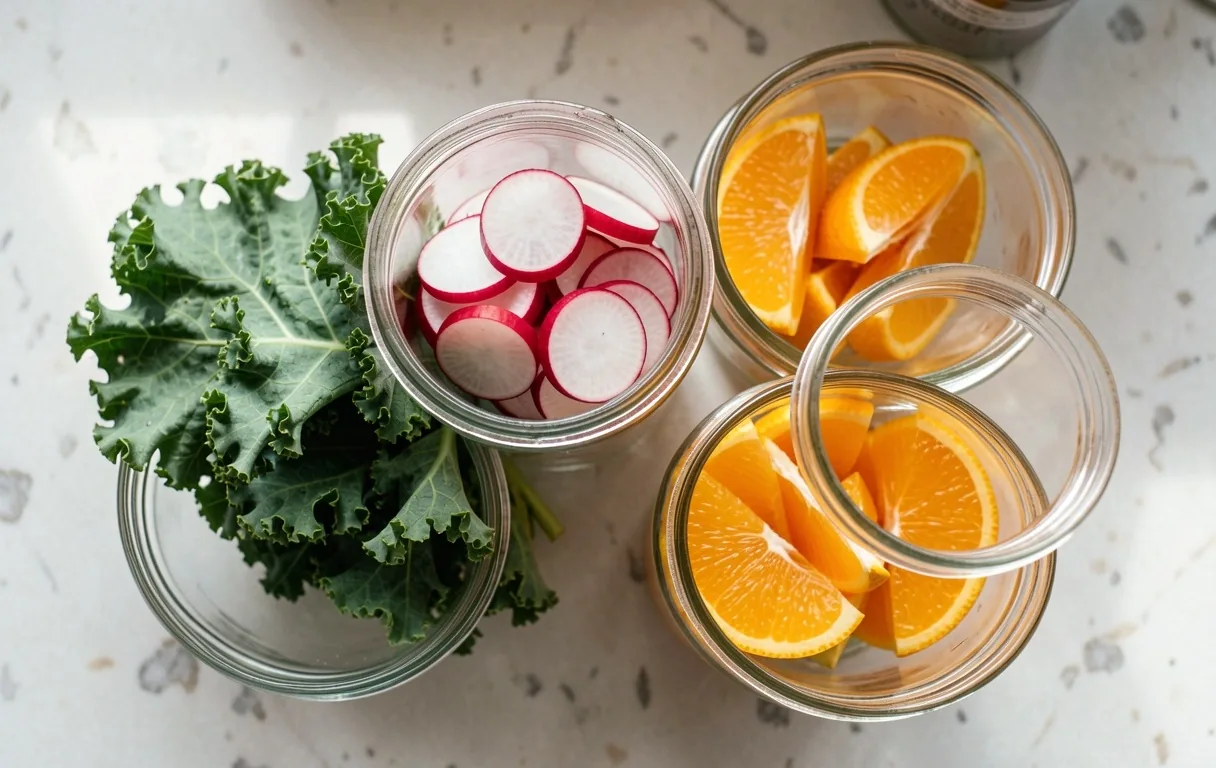
The logic of a modular kitchen: simplifying complex choices.
Identifying Gaps
Start by observing your current eating patterns. A simple review of your typical three-day history often reveals overlooked food groups that are essential for sustained energy levels.
Balancing Templates
Ditch complex recipes for modular frameworks. By prepping components—grains, proteins, and greens—separately, you can assemble multiple varied meals without extra effort.
Whole Food Priority
We focus on ingredient density. Choosing options with minimal additives and shorter ingredient lists naturally supports better satiety and long-term vitality.
Navigating the Modern Pantry
Deciding between convenience and nutrient density doesn't have to be restrictive. Understanding these three pillars helps you choose foods that serve your energy goals.
Whole Ingredient Focus
-
1
High Satiety
Fiber-rich lentils, seeds, and root vegetables provide a slow release of energy, keeping you satisfied longer between meals.
-
2
Nutrient Integrity
Minimal processing preserves the essential vitamins and minerals naturally present in the food source.
Processed Convenience
-
Reduced Satiety
Refined options often lack the fiber needed to regulate energy, leading to spikes and subsequent dips in focus.
-
Additive Density
Marketing terms can often obscure higher levels of unwanted sweeteners or sodium that impact daily balance.
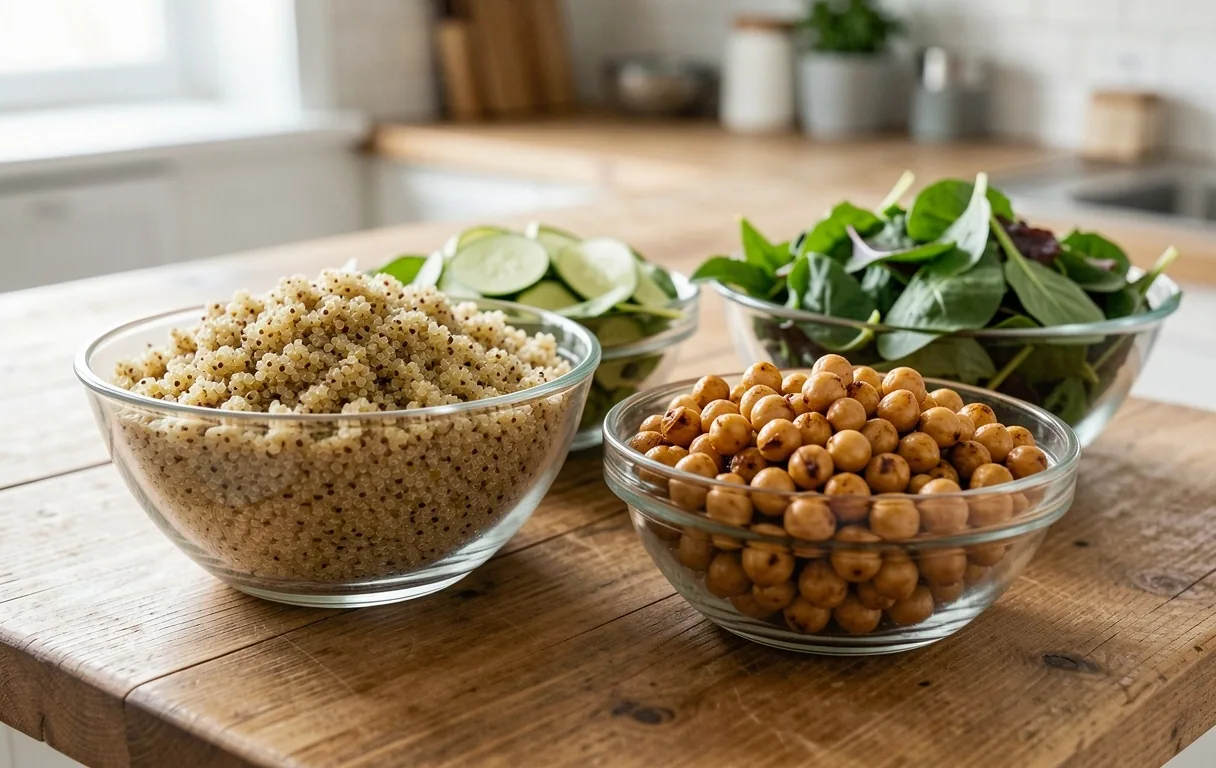
Mastering three-step prep for a friction-less kitchen.
01. Ingredient Staging
Wash and chop all fibrous vegetables at once. This single block of time reduces the psychological barrier to cooking during a busy Tuesday evening.
02. Batch Cooking Grains
Prepare large portions of complex carbohydrates like quinoa, farro, or brown rice. These staples store exceptionally well in sealed glass and form the base of balanced plates.
03. Nutrient Preservation
Utilize airtight containers to prevent oxidation. Modern storage techniques keep prepped items fresh for 3 to 4 days without losing texture or vitality.
Expanding your nutritional knowledge.
Education is the root of sustainable change. Explore our curated collections designed to help you master every corner of the kitchen.
Resource Library Access
Self-led learners can dive deeper into our growing collection of dietary guides and nutrient checklists.
Prep Workshops
Bridging education with action through group sessions focused on practical dietary application.
Ready to transform your daily kitchen workflow?
Nutriflow is here to provide the educational integrity you need to build a better relationship with your ingredients.
Educational integrity with zero medical jargon or diagnostics.
Contact Hub
Location
90 George Street, Hull
Is this a weight-focused program?
No. Our focus at Nutriflow is exclusively on overall dietary quality and the creation of sustainable kitchen habits. We do not track scale outcomes or promote specific weight-related goals, prioritizing energy stability and nutrient density instead.
How do you ensure information quality?
All guidance on this site is cross-referenced against established public health dietary guidelines. We strictly avoid therapeutic claims and pharmacological advice, ensuring all content remains educational and lifestyle-oriented.